


What is Yeast β-Glucan?
Yeast β-Glucan, also known as Yeast β-Glucan or Yeast Glucan, is a polysaccharide derived from the yeast cell wall.
It is mainly composed of a β-1,3-D-glucan backbone with β-1,6-D-glucan branches and is widely used as a functional ingredient in food, nutrition, feed and aquaculture applications.
Depending on the formulation and processing requirements, customers can choose between water-soluble and non-water-soluble Yeast Beta-Glucan.
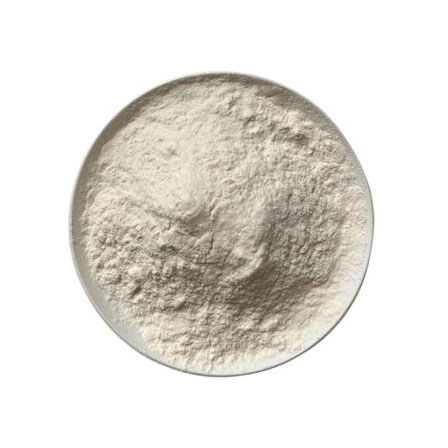
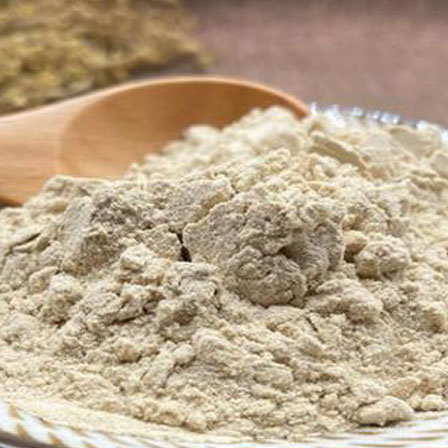
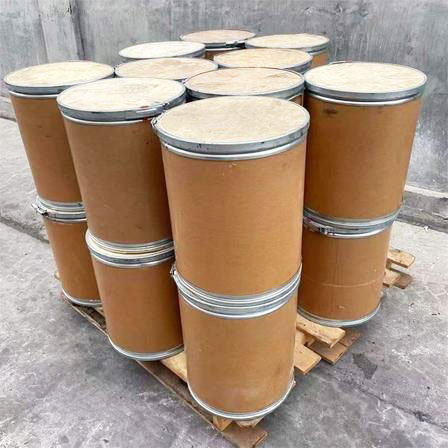
Yeast β-Glucan Quality Specifications
The quality of Yeast β-Glucan is evaluated through physical, chemical, microbiological and heavy-metal parameters. The supplied quality documentation references QB/T 4572—2021.
The following are the applicable specification requirements:
| Quality Parameter | Specification Requirement |
| Appearance | Off-white to pale yellow, with characteristic yeast glucan odor |
| Traits | Uniform powder, no visible foreign impurities |
| Water Solubility | Water-soluble* |
| Moisture | ≤ 8.0% |
| Beta-Glucan | ≥ 70.0% |
| Ash | ≤ 3.0% |
| Protein | ≤ 3.5% |
| Total Plate Count | ≤ 10,000 CFU/g |
| Coliform Bacteria | < 3.0 MPN/g |
| Yeast & Mold | ≤ 50 CFU/g |
| Staphylococcus aureus | Negative |
| Lead | ≤ 0.5 mg/kg |
| Arsenic | ≤ 0.5 mg/kg |
Product specifications may vary according to product type and customer requirements. Please contact us for the applicable specification and COA.